ABC Cable Specifications Guide: Voltage Rating, Conductor Size and Technical Parameters
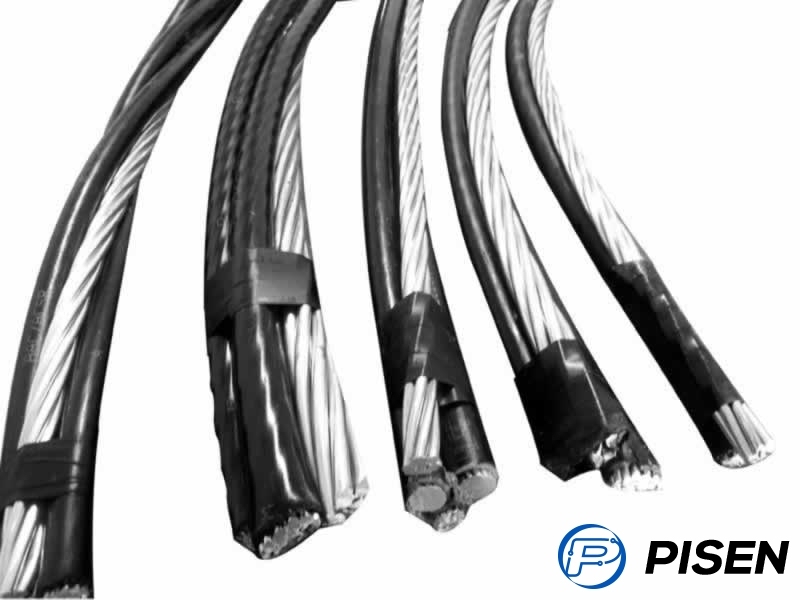 Selecting the correct ABC cable specification is essential for ensuring safe operation, reliable power distribution, and long-term performance in overhead electrical networks.
For engineers, contractors, and purchasing teams, ABC cable selection is not only about choosing a cable product. Different projects require different specifications based on voltage level, conductor size, installation environment, and load requirements.
The key ABC cable specifications usually include:
- Rated voltage
- Conductor size
- Cable construction
- Insulation material
- Core configuration
- Technical performance parameters
Understanding these specifications helps project designers choose a suitable ABC cable solution for residential distribution, rural electrification, and utility power networks.
ABC Cable Specification Overview
ABC cable specifications vary depending on application requirements and system design.
The main technical parameters include:
| Parameter | Typical Specification |
|---|---|
| Cable Type | Aerial Bundled Cable (ABC Cable) |
| Conductor Material | Aluminum |
| Insulation Material | XLPE |
| Rated Voltage | 0.6/1kV, 11kV, 20kV, 35kV |
| Conductor Size | 16mm²-240mm² |
| Core Configuration | Duplex, Triplex, Quadruplex |
| Operating Temperature | 90°C |
| Installation Method | Overhead Distribution |
| Standard | IEC / BS / Customer Requirements |
The exact specification depends on the voltage system, network design, and application environment.
ABC Cable Voltage Rating Specifications
Voltage rating is one of the most important factors when selecting an ABC cable.
Different distribution networks require different voltage levels.
Low Voltage ABC Cable (0.6/1kV)
Low voltage ABC cables are widely used in:
- Residential power distribution
- Rural electrification projects
- Low voltage overhead networks
- Service connection systems
A typical low voltage ABC cable specification includes:
- Rated voltage: 0.6/1kV
- Aluminum conductor
- XLPE insulation
- Duplex, Triplex, or Quadruplex structure
Low voltage ABC cables are commonly selected where safe and compact overhead distribution is required.
Medium Voltage ABC Cable
Medium voltage ABC cables are designed for higher voltage distribution applications.
Common voltage ratings include:
- 11kV
- 20kV
- 35kV
They are commonly used in:
- Utility distribution networks
- Industrial power systems
- Medium voltage overhead lines
Compared with low voltage ABC cables, medium voltage designs require:
- Higher insulation performance
- Improved electrical protection
- Stronger mechanical construction
For projects requiring specific voltage levels, engineers should select the appropriate ABC Cable product specification according to system requirements.
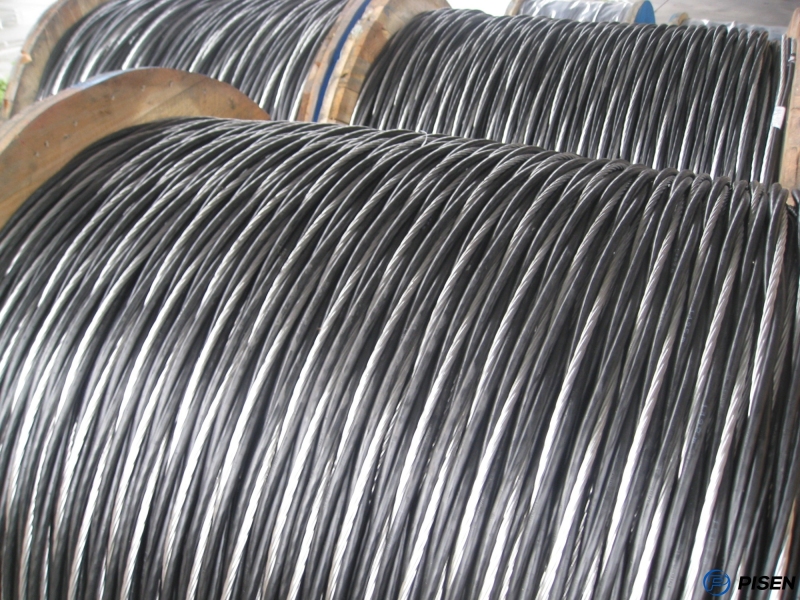 ABC Cable Size Specifications
 ABC Cable Size Specifications
Conductor size is one of the most important ABC cable parameters because it directly affects electrical performance.
The conductor cross-sectional area influences:
- Current carrying capacity
- Voltage drop
- Power transmission efficiency
- Installation requirements
Common ABC cable sizes include:
| Conductor Size | Typical Application |
|---|---|
| 16mm² | Service connections and small loads |
| 25mm² | Residential power supply |
| 35mm² | Low voltage distribution |
| 50mm² | General overhead distribution |
| 70mm² | Medium load applications |
| 95mm² | Utility distribution systems |
| 120mm²-240mm² | Higher capacity networks |
A larger conductor size usually provides higher current capacity, but it may also increase:
- Cable weight
- Supporting requirements
- Installation cost
Therefore, conductor size selection should consider:
- Required load
- Cable length
- Voltage drop limitation
- Environmental conditions
ABC Cable Construction Specifications
ABC cable construction determines its electrical performance, mechanical strength, and service life.
A typical ABC cable consists of:
- Aluminum conductors
- XLPE insulation
- Neutral messenger wire
- Bundled conductor structure
Aluminum Conductor
Most ABC cables use aluminum conductors because aluminum provides:
- Lightweight characteristics
- Good conductivity
- Cost efficiency
- Suitable mechanical performance
Different overhead conductor designs include:
- AAC (All Aluminum Conductor)
- AAAC (All Aluminum Alloy Conductor)
- ACSR (Aluminum Conductor Steel Reinforced)
The selection between different conductor types depends on project requirements such as mechanical strength and installation conditions.
For a detailed comparison of conductor types:
AAC vs AAAC vs ACSR Conductor: A Practical Guide for Overhead Power Line Design
XLPE Insulation
Main advantages include:
- Good electrical insulation
- High temperature resistance
- Weather resistance
- UV protection
The insulation layer allows ABC cables to operate safely in overhead distribution systems where environmental exposure is expected.
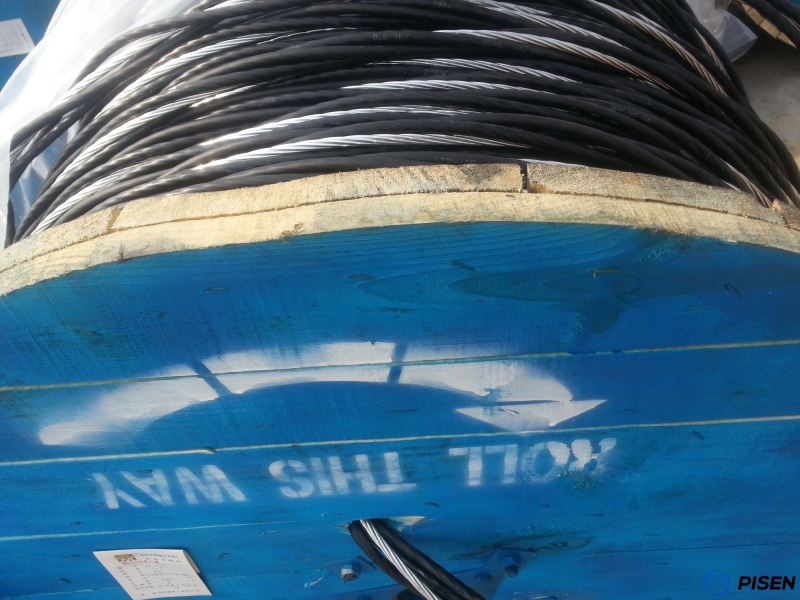 ABC Cable Core Configuration
 ABC Cable Core Configuration
ABC cables are available in different core configurations depending on power distribution requirements.
Duplex ABC Cable
Duplex ABC cable generally consists of two conductors.
Typical applications:
- Single-phase service connection
- Residential electricity supply
Triplex ABC Cable
Triplex ABC cable usually contains three conductors.
Typical applications:
- Low voltage distribution networks
- Residential and commercial power systems
Quadruplex ABC Cable
Quadruplex ABC cable contains four conductors.
Typical applications:
- Three-phase distribution systems
- Utility power networks
The correct cable configuration depends on:
- Distribution system type
- Number of phases
- Load requirements
ABC Cable Technical Specification Example
A typical low voltage ABC cable specification may look like this:
| Item | Specification |
|---|---|
| Cable Type | Triplex ABC Cable |
| Rated Voltage | 0.6/1kV |
| Conductor Material | Aluminum |
| Insulation Material | XLPE |
| Conductor Size | 3×50mm² + 1×70mm² |
| Operating Temperature | 90°C |
| Application | Low Voltage Overhead Distribution |
| Installation | Outdoor Aerial Installation |
Different projects may require customized specifications depending on:
- Network requirements
- Local standards
- Environmental conditions
How to Choose the Right ABC Cable Specification?
Choosing the correct ABC cable specification requires evaluating several factors.
1. Confirm the Voltage Level
The first step is determining whether the project requires:
- Low voltage ABC cable
- Medium voltage ABC cable
Selecting the correct voltage rating ensures safe and reliable operation.
2. Select the Appropriate Conductor Size
The conductor size should match the expected electrical load.
Engineers should consider:
- Maximum current demand
- Future load growth
- Installation distance
3. Consider Voltage Drop Requirements
For longer distribution distances, voltage drop becomes an important consideration.
A larger conductor size may be required to maintain stable voltage performance.
For more details:
ABC Cable Voltage Drop Calculation: A Practical Guide for Electrical Engineers
4. Evaluate Installation Conditions
Environmental factors may influence cable selection:
- Weather exposure
- Wind conditions
- Installation span
- Supporting structure
A suitable ABC cable specification should balance electrical performance and installation requirements.
ABC Cable Specification for Different Applications
Different projects require different ABC cable configurations.
| Application | Recommended ABC Cable Type |
|---|---|
| Residential service | Duplex ABC Cable |
| Rural electrification | Triplex / Quadruplex ABC Cable |
| Urban distribution | Low Voltage ABC Cable |
| Utility networks | Medium Voltage ABC Cable |
ABC cables are widely used because they provide a compact solution for overhead distribution while improving safety and installation flexibility.
Conclusion
Understanding ABC cable specifications is essential for selecting the correct cable solution for overhead power distribution projects.
The most important parameters include:
- Voltage rating
- Conductor size
- Cable construction
- Insulation material
- Core configuration
- Installation conditions
By evaluating these factors, engineers and purchasing teams can select ABC cables that meet project requirements and provide reliable long-term performance.
PISEN Cable provides ABC cable solutions with different voltage levels, conductor sizes, and configurations based on specific project requirements.
Frequently Asked Questions About ABC Cable Specifications
1. What are the common ABC cable specifications?
ABC cable specifications usually include voltage rating, conductor size, conductor material, insulation type, core configuration, and applicable standards.
Common specifications include 0.6/1kV low voltage ABC cable and medium voltage ABC cable such as 11kV and 35kV designs.
2. What sizes are available for ABC cables?
ABC cables are available in different conductor sizes depending on load requirements and installation conditions.
Common sizes include:
16mm², 25mm², 35mm², 50mm², 70mm², 95mm², 120mm², and 240mm².
The suitable size depends on current demand, voltage drop, and project requirements.
3. What voltage ratings are available for ABC cables?
ABC cables are commonly available for:
- 0.6/1kV low voltage distribution
- 11kV medium voltage systems
- 20kV and 35kV overhead networks
The correct voltage rating should match the distribution system requirements.
4. What materials are used in ABC cables?
Most ABC cables use aluminum conductors with XLPE insulation.
Aluminum provides lightweight characteristics and good electrical conductivity, while XLPE insulation offers weather resistance and electrical protection for outdoor applications.
5. How do I choose the right ABC cable specification?
The correct ABC cable specification depends on several factors:
- Operating voltage
- Required load capacity
- Installation distance
- Environmental conditions
- Local standards
Engineers should evaluate these factors before selecting a cable size and configuration.